Recording Drums At Home With Just a Few Mics
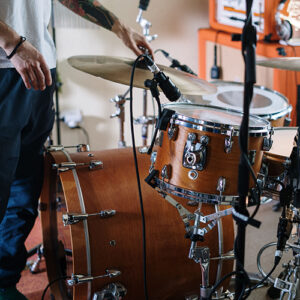
Maybe you’re recording your own band in a basement, a garage, or the living room while hoping the neighbors are cool. Maybe you’ve got a handful of mics, a weekend, and a drummer who’s hopefully practiced a few times. Or maybe you just hit record for the first time and realized your recording doesn't sound at all like the music you actually like.
The good news is you don’t need a wall of gear or a perfect room to get a solid drum recording at home. You need a decent spot to set up, drums that sound good on their own, and a small number of mics placed with some care. So let’s talk about how to do that without making it complicated.
Start With The Room
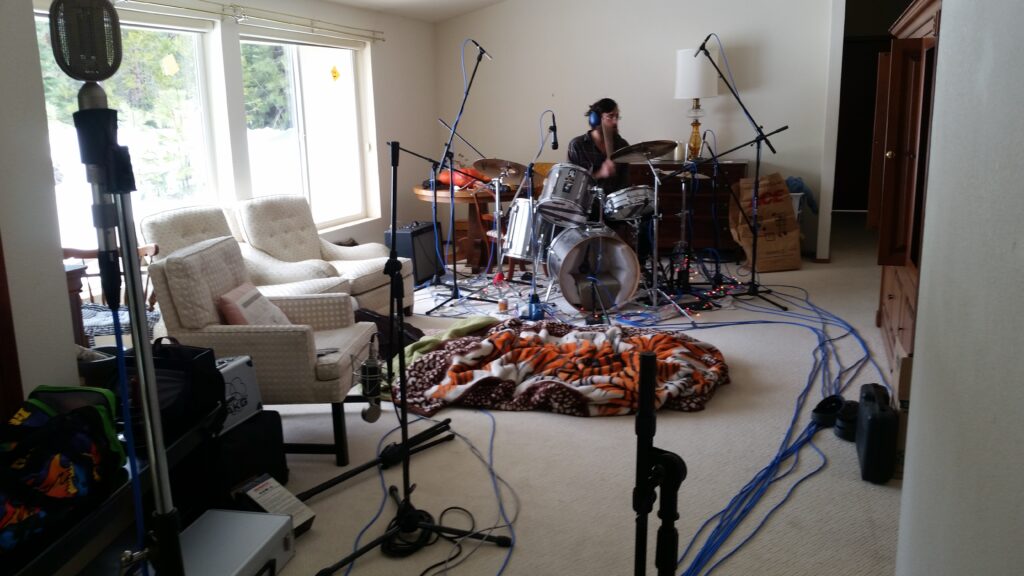
Before you touch a mic, clap your hands loudly in the room and listen. Walk around and clap in different spots. You’re listening for the place where the room sounds the least echoey and weird, and that’s where the drums should go. Rooms with lots of bare, parallel surfaces tend to sound the worst.
Why does this matter even if you’re only using a few mics? Because every mic on the kit picks up the room, especially overheads. A bad room ends up in every track.
If you can treat the room, broadband acoustic treatment panels are the ideal. Most are made from fiberglass, and they’re easy to DIY or buy pre-built. The heavier and denser the absorbing material is, the better it works. If panels aren’t in the budget (or you don't have time), use what you’ve got: moving blankets, thick comforters, couch cushions, even a mattress leaned against a wall. Put them on the walls that are giving you the most trouble. It won’t be perfect, but it can help. I do go into more on this in another post, but I wouldn't call myself an expert on room acoustics.
Fix The Drums Before You Fix The Mics
It’s tempting to think a different mic will solve a drum sound you don’t like. Most of the time, the fix is on the drums themselves.
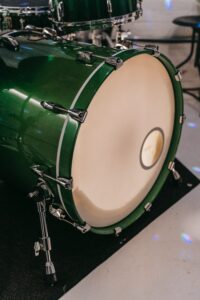
When’s the last time you changed your drum heads? Or grabbed a drum key and really listened to how each drum is tuned? Old heads and loose, flabby tuning are hard to fix with a microphone. A little dampening can also help a lot, and you can do it cheaply with a folded towel or a pillow inside the kick. If the drums sound good in the room, you’re already most of the way there. There’s more detail on heads, tuning, and dampening in this article too.
How Many Mics Do You Actually Need?
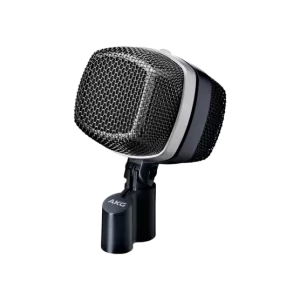
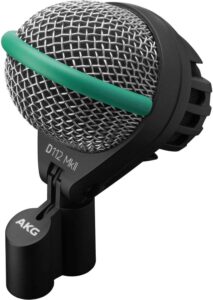
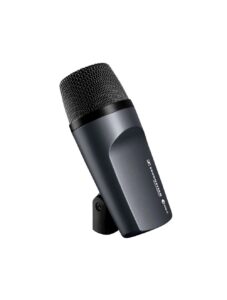
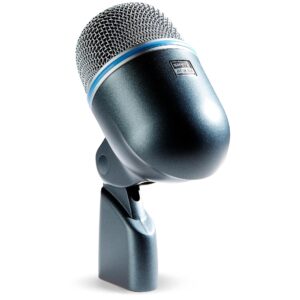
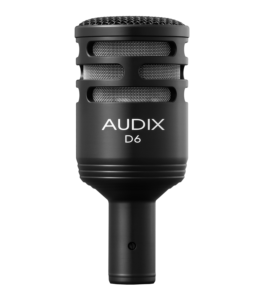
Fewer than you’d think. I’d suggest starting with three: a kick mic and a spaced pair of overheads. That gives you a picture of the whole kit. Then listen. If the snare isn’t loud enough or well defined, add a snare mic. Same goes for the toms. For me, a kick mic, a snare mic, and a spaced pair of overheads is the minimal setup I like best.
Why start small? The more mics you use, the more chances you have for phase problems, where mics pick up the same sound at slightly different times and the drums start to sound thin or strange. It also means less to set up and fix while the clock is ticking. Adding a mic when you need one is a lot easier than untangling ten of them.
For the overheads, try to keep them equidistant from the middle of the snare. That way the snare hits both mics at the same time and stays centered. Ideally they sit a few feet above the cymbals, but do what you can given the space you’re in. Low ceilings are a thing. From there, tweak the distances and angles until the kit sounds the way you hear it in your head.
What about room mics? They can sound great, but only if the room actually sounds good. If you did the clap test and your room sounds terrible, skip them. You'll be better off adding a bit of a short room reverb later to help give it some space. Or if you have a spare mic and want to experiment, go nuts! Put a mic down the hall, throw it in a drawer, point it at a wall, maybe you find something interesting.
Hearing What The Mics Hear
Moving mics around is a lot easier when you can actually hear what each change does pretty quickly. I came up with a little trick years ago for exactly that while I was recording in someone's living room, which I just called the delay trick. Check it out here in more detail, but the idea is to put a 2 second delay on your drum bus while you're fine-tuning the mic positions. Drummer hits the snare, for example, and you hear it in the room. Then 2 seconds later, you hear the snare hit again in your headphones. Drums are loud and it's hard to really hear what the mics are hearing in real-time if you're in the same room as the drums, so this helps me a lot. Don't like something, move the snare mic and have the drummer hit it again. Repeat until you like what you hear.
I also like keeping a track sheet, which is just notes on where your mics went and what settings you used. When you land on a sound you love, you’ll be glad you wrote it down.
Record A Little, Then Listen A Lot
Before the full session, record a short test take and listen back. I also find it helps to record a scratch guitar and/or bass track to the click ahead of time, so the drummer has something to play to (assuming you're not recording the full band at once). It makes for a more natural performance than playing to a click alone.
Then compare. Put a professional recording of a similar style of music next to yours and see how the drums stack up. Are they brighter? Punchier? Is there more or less room sound? That tells you what you might still want to adjust. I also like listening to the drums alongside the other instruments, since that’s the end goal. Drums that sound great on their own may not sound so great once the guitars come in, and the reverse can be true too.
Have Fun With It
Recording drums at home takes some experimenting, and not every attempt will sound great. That’s normal, and it’s part of how you get better. Seriously. You can watch all the youtube tutorials out there, but until you start messing around with the mics you have, on the drums you have, in the room you have, it's all just theory. You'll learn more from just doing the damn thing. I hope this helps you find a solid drum sound without too much frustration, and I hope the neighbors stay friendly.
Let me know how it goes!
P.S. If you need help with editing your drums once you're done, hit me up!
About The Author
Hi! I'm Jon Lesher, a sound engineer in the San Francisco Bay Area. I got my start playing guitar with friends and playing in bands and I wanted to record what we were making. From there, I fell in love with music production, got a degree in recording arts in 2005, and started working in studios. I mostly do editing and mixing these days, but love sharing what I learned about recording to help my fellow musicians make better recordings! If you'd like to learn more about me, go to jonlesher.com.